BCI Kickstarter #01 : Introduction to Brain-Computer Interfaces
Welcome to the first installment of our crash course on Brain-Computer Interfaces (BCIs)! This fascinating field holds immense potential for revolutionizing how we interact with technology and the world around us. In this series, we'll delve into the core concepts, methodologies, and applications of BCIs, providing you with a solid foundation to understand this exciting domain.
What is a BCI?
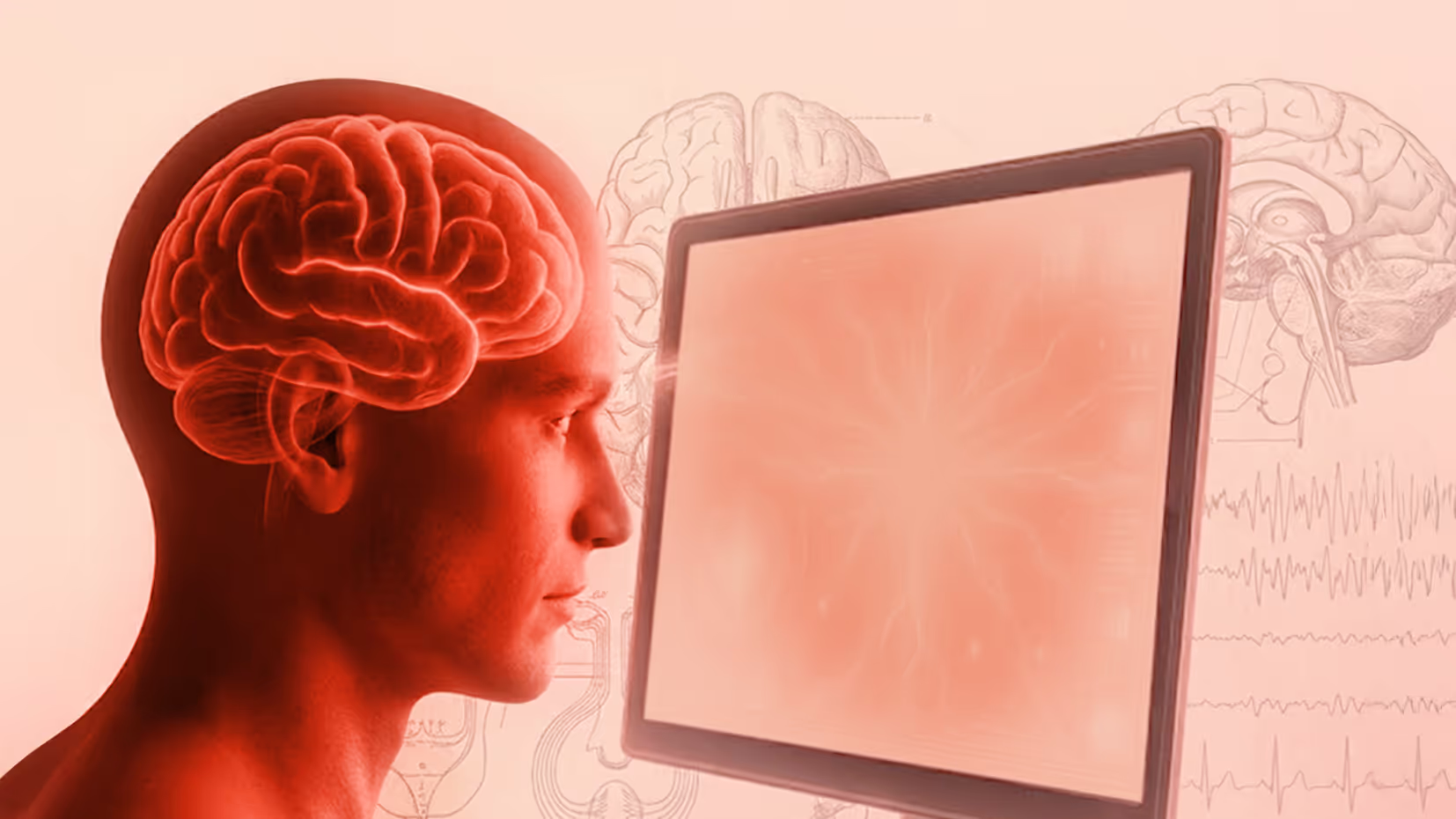
Brain-Computer Interfaces, or BCIs, are systems that establish a direct communication pathway between the brain and external devices. They bypass traditional neuromuscular pathways, allowing individuals to control machines or receive sensory feedback using only their brain activity. This groundbreaking technology has far-reaching implications for various fields, including healthcare, assistive technology, gaming, and even art.
At its core, a BCI system operates through three fundamental steps:
- Brain Signal Acquisition: Neural activity is recorded using various techniques, such as electroencephalography (EEG), electrocorticography (ECoG), or invasive electrode implants.
- Signal Processing: The acquired brain signals are processed and analyzed to extract meaningful patterns and features related to the user's intent or mental state.
- Output and Control: The extracted information is translated into commands that control external devices, such as prosthetic limbs, wheelchairs, or computer cursors.
BCIs offer a powerful means of communication and control, particularly for individuals with severe motor impairments or those suffering from locked-in syndrome. They open up a world of possibilities for restoring lost function, enhancing human capabilities, and even creating entirely new forms of human-computer interaction.
The Evolution of BCI over time
The history of brain-computer interfaces (BCIs) dates back to 1924 when Hans Berger first recorded human brain activity using electroencephalography (EEG). However, significant BCI research gained momentum in the 1970s at the University of California, Los Angeles (UCLA), focusing on using EEG signals for basic device control. Since then, advancements in the field have propelled BCI technology forward, including:
- Improved Electrodes and Sensors: Development of high-density electrode arrays and more sensitive sensors for better signal acquisition.
- Advanced Signal Processing Techniques: Sophisticated algorithms for filtering noise, artifact removal, and feature extraction from brain signals.
- Machine Learning Revolution: Application of machine learning algorithms for pattern recognition and classification, enabling more accurate decoding of user intent.
These advancements have led to impressive applications of BCIs:
- Restoring Lost Function: Controlling prosthetic limbs, wheelchairs, and communication devices for individuals with paralysis or locked-in syndrome.
- Assistive Technology: Developing tools for environmental control, such as controlling lights or appliances with brain signals.
- Gaming and Entertainment: Creating immersive and interactive experiences using brain-controlled interfaces.
- Neurofeedback and Therapy: Utilizing BCIs for treating conditions like ADHD, anxiety, and chronic pain.
- Cognitive Enhancement: Exploring the potential of BCIs for improving memory, attention, and other cognitive functions.
The future of BCIs is brimming with possibilities. As research progresses, we can expect even more groundbreaking applications that will further transform how we interact with the world and push the boundaries of human potential.
A Look at Different BCI Types
BCI systems are categorized based on their level of invasiveness, each with its own trade-offs in terms of signal quality, complexity, and risk. The three main types are:
Invasive BCI: Direct Access to the Source
Invasive BCIs involve surgically implanting electrodes directly into the brain tissue. This method offers the highest signal quality and allows for the most precise control. However, it also carries the highest risk of medical complications and requires significant expertise for implantation and maintenance.
Example: The Utah Array, a microelectrode array, is a prominent example of an invasive BCI used in research and clinical trials.
Applications: Primarily used for restoring lost motor function in individuals with paralysis or locked-in syndrome, enabling them to control prosthetic limbs, wheelchairs, and communication devices.
Semi-Invasive BCI (ECoG): Bridging the Gap
Semi-invasive BCIs, specifically Electrocorticography (ECoG), involve placing electrodes on the surface of the brain, beneath the skull. This approach offers a balance between signal quality and invasiveness, providing higher resolution than non-invasive methods while minimizing the risks associated with penetrating the brain tissue.
One notable company in this field is Synchron, which employs a minimally invasive endovascular procedure—similar to stent placement—to avoid open brain surgery. Their innovative approach allows for the safe and effective placement of electrodes, enabling patients to interact with technology using their thoughts. In a recent clinical trial, their first participant successfully connected with his wife by digitally controlling his computer through thought.
Applications: ECoG-based BCIs, including those developed by Synchron, are currently used in research settings for investigating brain function and exploring potential applications in epilepsy treatment and motor rehabilitation.
Non-Invasive BCIs: Exploring the Brain from the Outside
Non-invasive BCIs are the most common and accessible type, as they rely on external sensors to record brain activity without the need for surgery. These methods are generally safer and more comfortable for the user. However, the signal quality can be affected by noise and artifacts, requiring sophisticated signal processing techniques for accurate interpretation.
Examples:
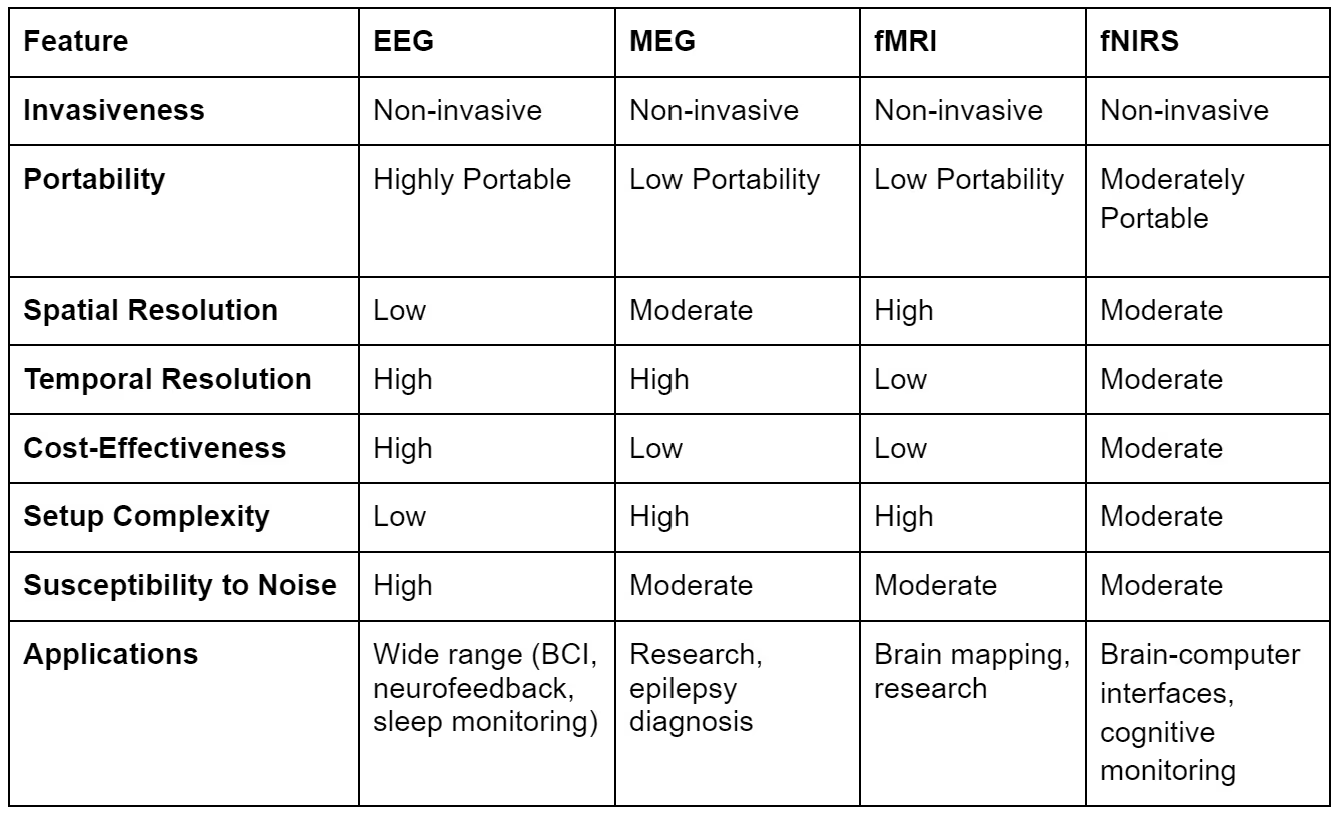
- Electroencephalography (EEG): Measures electrical activity in the brain using electrodes placed on the scalp.
- Magnetoencephalography (MEG): Detects magnetic fields generated by brain activity.
- Functional Magnetic Resonance Imaging (fMRI): Measures brain activity by detecting changes in blood flow.
- Functional Near-Infrared Spectroscopy (fNIRS): Measures brain activity by monitoring changes in blood oxygenation
EEG-Based BCIs: A Deep Dive
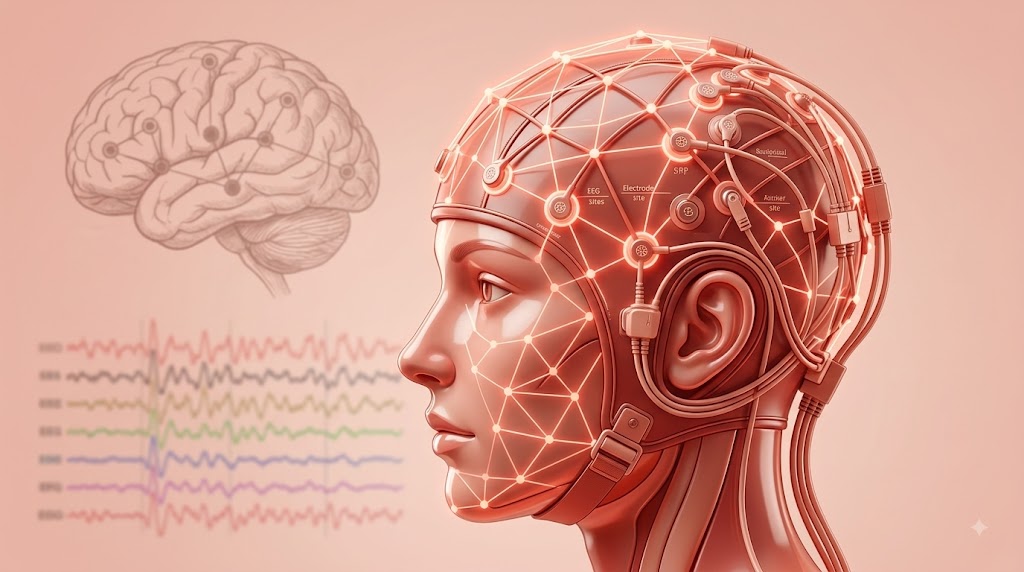
Among the various non-invasive BCI approaches, electroencephalography (EEG) stands out as a particularly promising and widely adopted technology. EEG-based BCIs leverage the electrical activity generated by the brain, recorded through electrodes placed on the scalp. This method offers several key advantages:
High Temporal Resolution: EEG boasts excellent temporal resolution, capturing brain activity changes in milliseconds. This rapid sampling rate allows for real-time detection of subtle shifts in brain states, crucial for accurate and responsive BCI control.
Portability and Ease of Use: EEG systems are relatively portable and easy to set up, making them suitable for a variety of environments, from research labs to home settings. The non-invasive nature of EEG also contributes to its ease of use, as it doesn't require surgery or complex procedures.
Cost-Effectiveness: Compared to other neuroimaging techniques like fMRI or MEG, EEG is significantly more affordable. This accessibility makes it an attractive option for research, development, and widespread adoption of BCI technology.
Wide Range of Applications: EEG-based BCIs have demonstrated their versatility in a multitude of applications, including:
- Motor Imagery BCIs: Allow users to control devices by imagining specific movements.
- P300 Spellers: Enable users to spell words by focusing their attention on specific letters.
- Steady-State Visual Evoked Potential (SSVEP) BCIs: Utilize visual stimuli to elicit brain responses for control.
- Neurofeedback and Therapy: Provide real-time feedback on brain activity to help users learn to self-regulate their brain states for therapeutic purposes.
Addressing the Limitations:
The primary challenge lies in EEG’s lower spatial resolution compared to invasive or semi-invasive techniques. The electrical signals recorded by EEG electrodes are a mixture of activity from various brain regions, making it more difficult to pinpoint the precise source of the signal. However, advancements in signal processing and machine learning algorithms are continually improving the ability to extract meaningful information from EEG data, mitigating this limitation.
On the whole, EEG-based BCIs, especially when combined with fNIRS, offer a compelling mix of high temporal resolution, portability, affordability, and versatility. This combination enhances the ability to capture both electrical activity and hemodynamic responses in the brain, providing a more comprehensive understanding of brain function. These advantages have propelled EEG to the forefront of BCI research and development, driving innovation and expanding the potential applications of this transformative technology.
The Future is Brain-Powered
Brain-computer interfaces have emerged as a revolutionary technology with the potential to fundamentally change how we interact with the world around us. While various approaches exist, EEG-based BCIs stand out due to their unique combination of high temporal resolution, portability, cost-effectiveness, and versatility. From restoring lost motor function to enhancing cognitive abilities, the applications of EEG-based BCIs are vast and rapidly expanding.
As research and development continue to advance, we can expect even more groundbreaking innovations in the field of BCIs, leading to a future where our brains can seamlessly interact with technology, unlocking new possibilities for communication, control, and human potential.
Ready to Dive Deeper?
This concludes the first part of our crash course on Brain-Computer Interfaces. We've explored the fundamental concepts, different types of BCIs, and the advantages of EEG-based systems.
In the next installments of this series, we'll concern ourselves with specific aspects of BCI technology, covering topics such as:
- Fundamentals of Neuroscience for BCI: Understanding the brain's electrical activity and how it relates to BCI control.
- EEG Signal Acquisition and Processing: Exploring the techniques used to record and analyze EEG data.
- BCI Paradigms and Applications: Examining different types of BCI systems and their specific applications.
- Building Your Own BCI with Python: A hands-on guide to developing your own BCI applications.
Stay tuned for the next exciting chapter in our BCI journey!
Further reading





Subscribe to Neurotech Pulse
A roundup of the latest in neurotech covering breakthroughs, products, trials, funding, approvals, and industry trends straight to your inbox.